
Art as a cult
My original title was “art as a religion” but I decided a cult was more accurate. However there are plenty of similarities between art and religion.
First, art and religion are very closely linked by history. In the past, one of the biggest patron of the art in Europe was Catholicism and as a result numerous masterpieces have religious subjects (i.e. the last supper by Leonardo Da Vinci and the ceiling of the Sistine chapel by Michael Angelo to name two of the most famous.) The other inspiration for a long time was the Greek and Roman mythology, which is about different gods but still religious subjects before artists broke free of “academic” subjects and took the risk to paint contemporary subjects in the art.
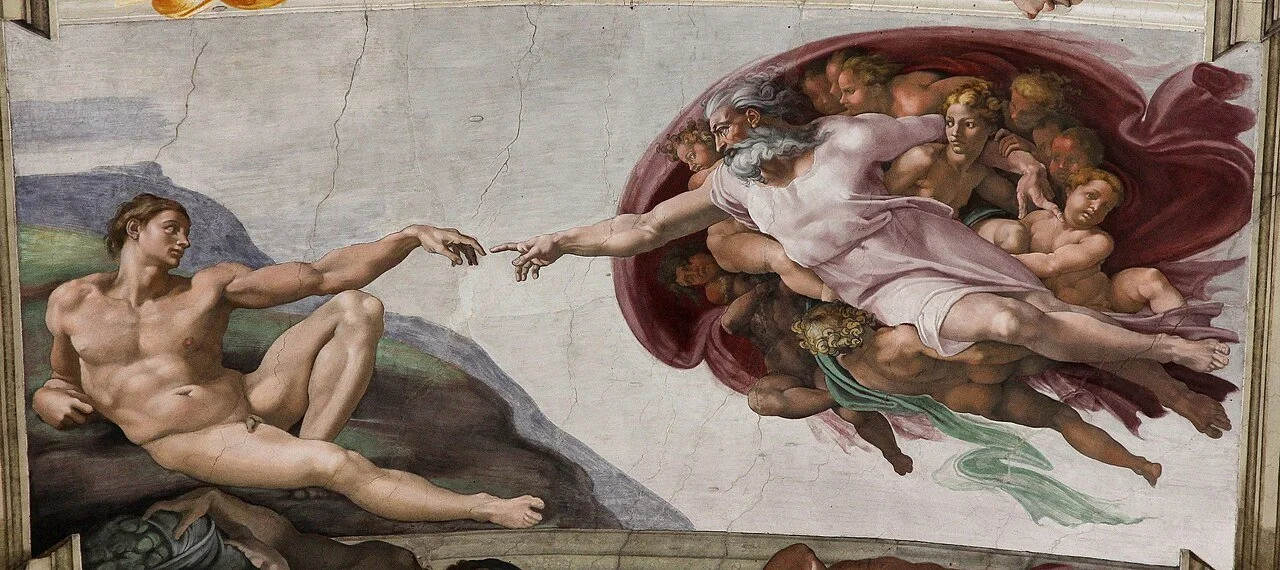
The creation of man by Michel Angelo
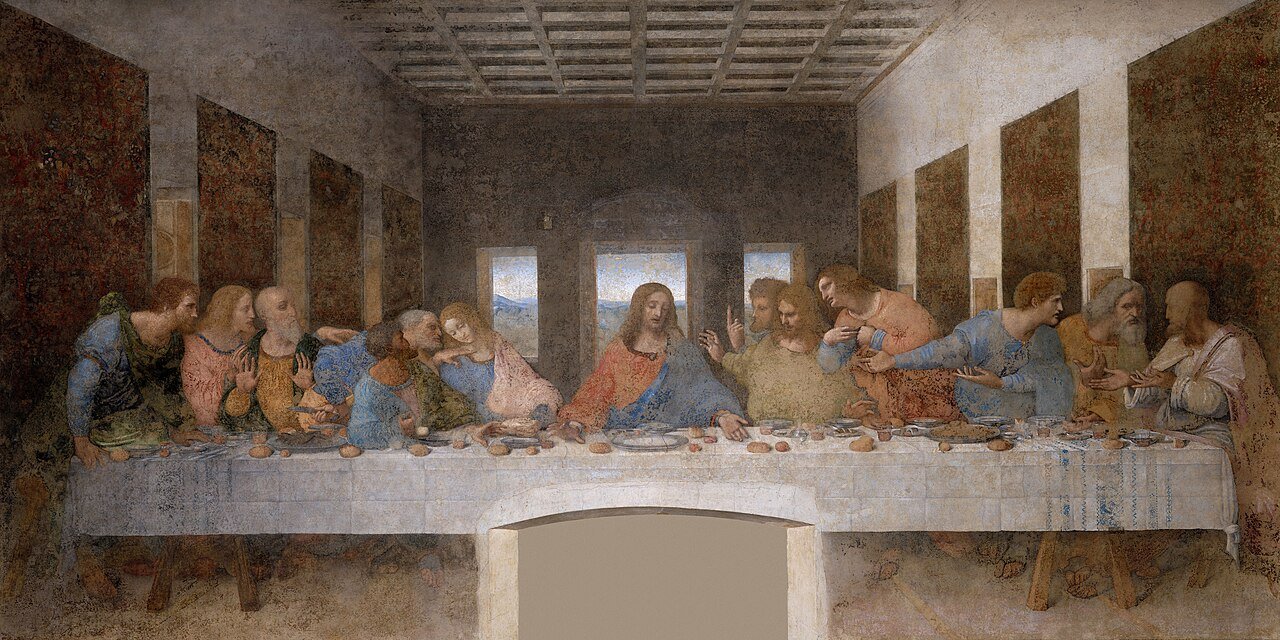
The last supper by Leonardo Da Vinci
[Note: Portraits are different, there has always been a market for old-style selfies and vanity. Some artists made a good living out of it until a machine could do it faster and cheaper… Reminds you of anything?]
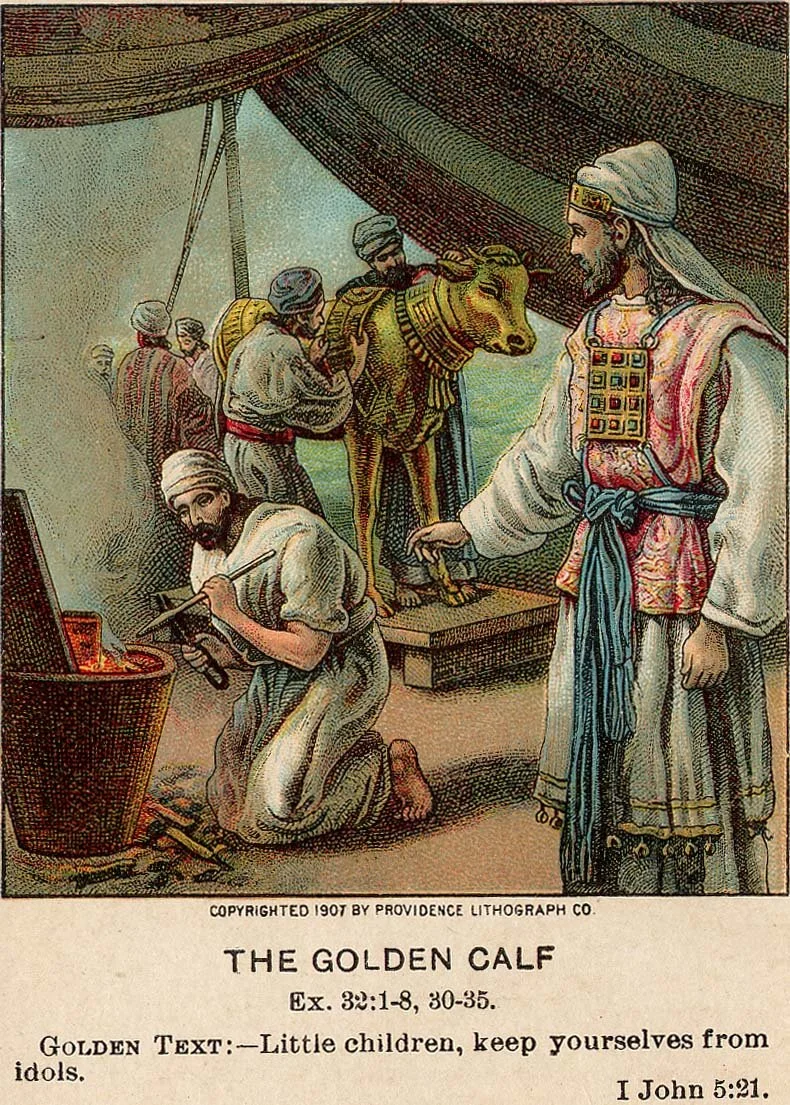
“The Golden Calf” story in the bible denounces the risks of idolatry and praising false gods represented by the sculpture of a golden calf . It’s interesting that the bible denounces the representation of a false god through art while afterward Catholicism used art for centuries to promote their own religion. The Jewish, Christian and Muslim religions are all, I believe, prohibited to represent God. Nevertheless, The Catholics church commissioned a vase amount of religious art: millions of paintings and sculptures of Jesus, the holy spirit depicted as a dove and even God, depicted on the ceiling of the Sistine chapel.
Islam on the other hand takes this ban very seriously and extends it to images of the prophet, thus influencing the middle-eastern art scene which created endless patterns ( sometimes referred to as “arabesque”) to avoid personal representation. I am less familiar with other religions but Hinduism and Buddhism use art to represent images of Hindu gods or statues of Buddha. The expression of Zen Buddhism through art seems less exuberant but also influenced arts like calligraphy, a minimalist aesthetics and the creation of “Zen” gardens, however misunderstood this term is in the west (and I realize writing this that my knowledge is very limited).
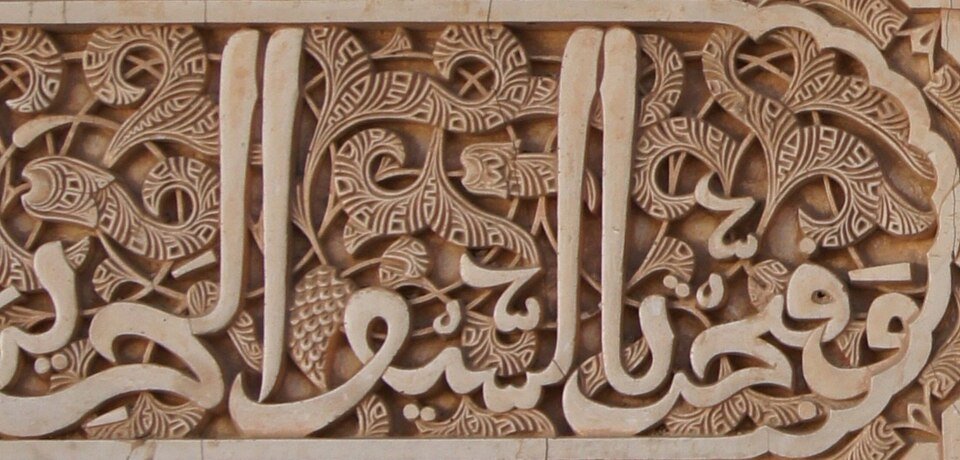
A wall detail from the Alhambra in Spain
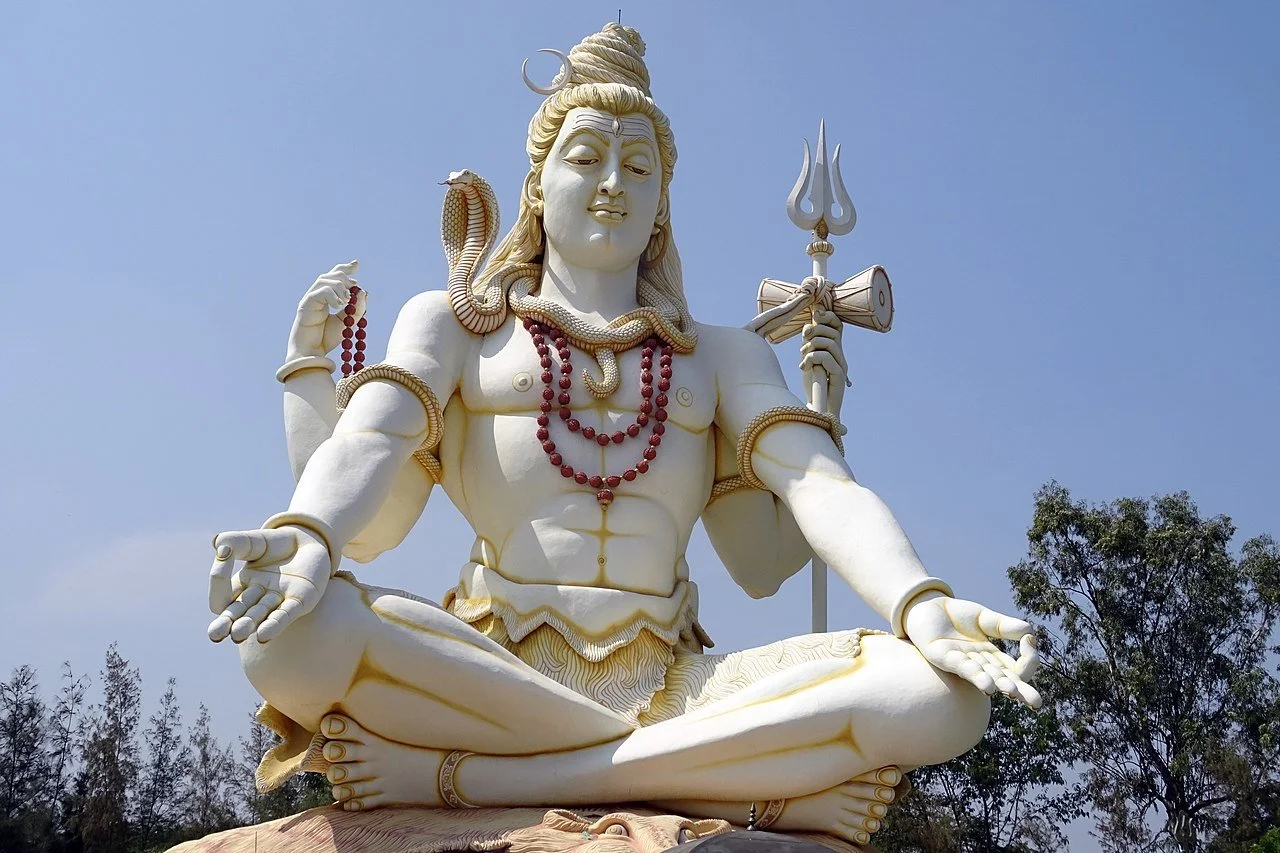
Statue of Shiva
Overall, whether as a propaganda tool, to create an environment conducive to a religious experience or as a result of a ban, art history has been heavily influenced by religion.
There are debates about prehistoric art, and it is impossible to know with certainty if their art is religious in any way, but the sculptures called “Venus figures” found all over Europe are often interpreted as a religious figure as well.
To me, it makes sense that art and religion are entwined. I was raised a catholic but it didn’t stick and I am not religious any more. However I feel that these days, my religion is art. I never experienced a mystical or spiritual experience through religion, but I feel that it happens to me through art. It takes me out of my body as if some other power is pushing me to create. It’s very humbling. I feel a spiritual experience too when I look and interpret some works of art. It’s teaching me lessons about what it means to be alive and how to make sense of the world, which I believe is one of the primary goals of religion.
With the zeal of the newly converted I want to spread the good news about art like Christians spread the word about Jesus. Did you know? Art can give your life meaning! It can soothe your pains and make you bigger than you are but also selfless because you just become a conduit for creation. Try art, it is the answer. I am always baffled at why people wouldn’t. People say they don’t have time as if they didn’t spend hours wasting time on their phone. Or they say they are bad at it, as if it mattered.
Artists and priests are similar in a way. It’s more a calling than a job, you don’t get into it to make money. Priests bring the words of God to the masses, artists bring art to the masses.
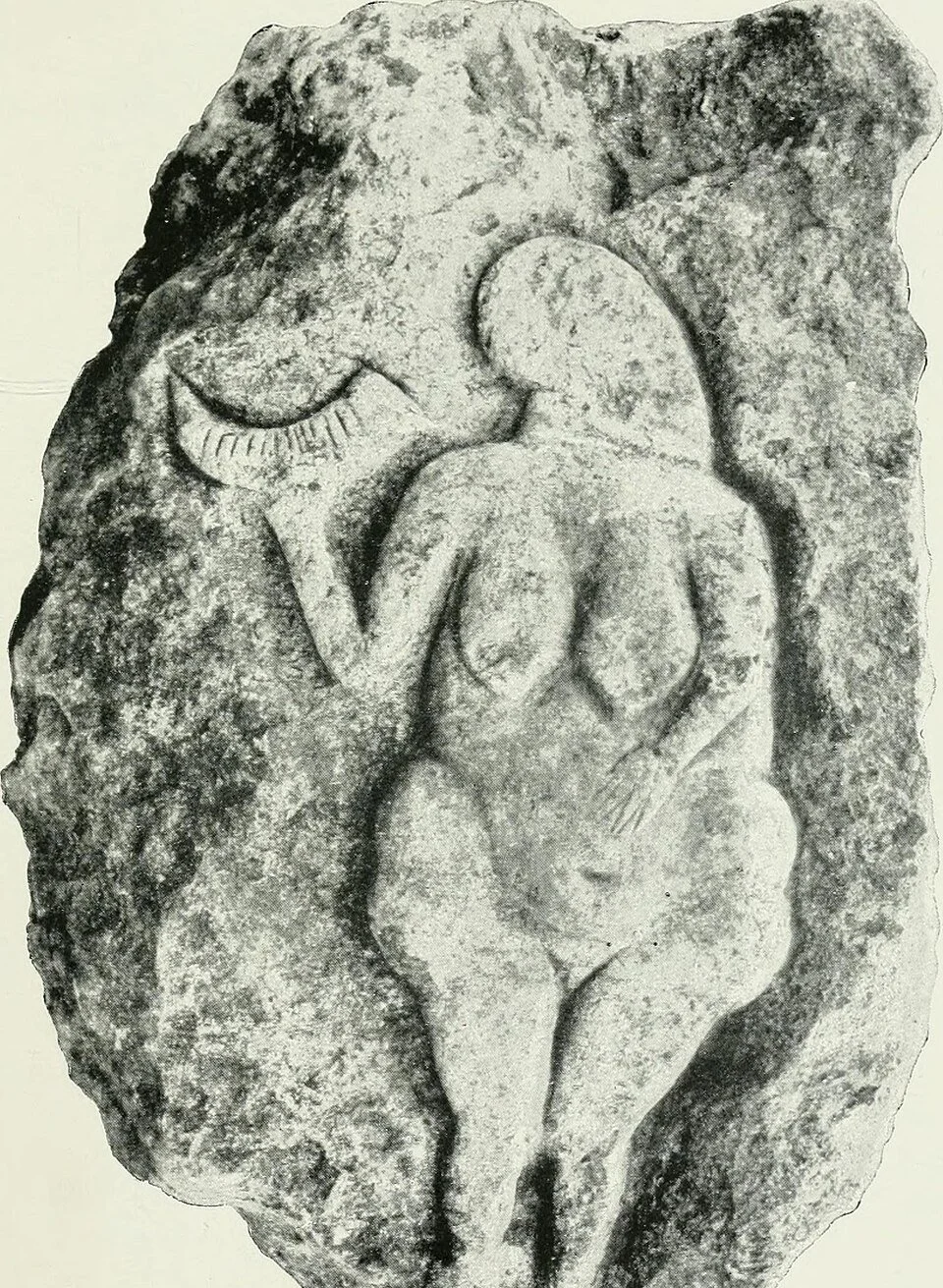
Venus of Laussel, around 23,000 BC
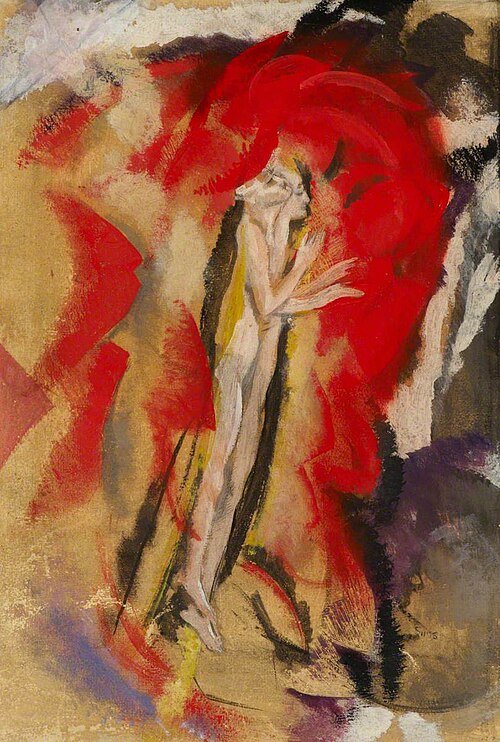
“A spiritual idea” by Charles Simm, 1927
Another big similarity between art and religion is the promise of life after death. Most religions promise you some kind of eternal life, either in Heaven, Nirvana or through reincarnation, while art promises you eternal life through your art. You’ll be long gone while some of your pieces will endure for decades, sometimes centuries after your death. Some people will remember your name, and some people will just admire your art without a clue about who made it.
That being said, why do I think art is closer to a cult than a religion?
Artists tend to live in this microcosm separate from reality where everyone is convinced that art is the most important thing in the world. Artists are great consumers of art and support each other, financially if they can afford it, otherwise by their keen interest and appreciation of other people’s art. As a group, artists cannot understand why the outside world seems oblivious to art’s power (while consuming huge amounts of it, but that’s another issue). So artists as a group belong to this generic Art cult within their own little world.
But most artists are also usually convinced that their type of art is the best, otherwise they would just switch medium. We understand that others are finding salvation in their own way, and it’s grand but we cannot quite fathom why they would, given the choice, use another medium that ours. I often joke that painters are missing out on an entire dimension. I am sure dancers wonder why we would settle for a medium lacking in movement. Even in the same type of art we root for our own subsubcult, for example watercolor, oil or acrylic for painting. In ceramics there is the wheelthrowing vs handbuilding debate; the functional vs sculptural debate; the woodfired ve gasfired vs electricfired debate and I could go on. We’re all part of our little subcults inside a bigger cult. Of course, there are multimedia artists, and a lot of artists tend to practice more than one type of art, but the majority have a very clear medium of choice, because it’s a lot of work to learn a new technique to express yourself.
Artists also have different gurus, the most confidential the better. We all choose a different messiah like a Christian cult intent on dusting out Jesus. I mentioned Leonardo Da Vinci earlier. He was a great artist (and scientist, but that’s another story). No one, I presume, is going to say Leonardo Da Vinci is their inspiration in art. Too old, too consensual. Art is about expressing yourself in a unique way, so we tend to get inspired by people who are closer to us in time and who have been inspired in turn by other artists closer to them in a never-ending chain where everyone is supposed to bring a newly shaped brick to the art wall. It makes art more fluid than religion because you can decide who you’re getting influenced by, then adapt and change the liturgy to fit your own artistic needs.